floor

Hardwood Floor Refinishing Cost: Should You Refinish or Replace?

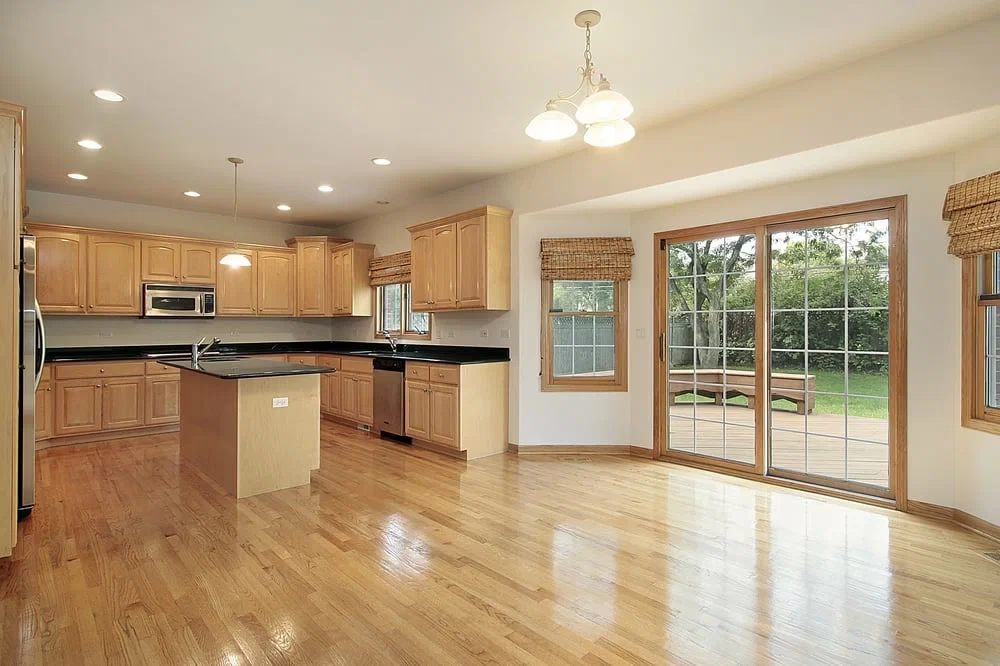
Hardwood floor refinishing costs $3 to $5 per square foot in the Kansas City metro in 2026 — about $1,500 to $2,500 for a typical 500 sq ft main area. Replacing the same floor with new hardwood costs $6 to $12 per square foot. If your floors are structurally sound, refinishing saves 50–70% and delivers a like-new result. Replacement only wins when boards are water-damaged, repeatedly sanded, or you want a different wood entirely.

Star Flooring LLC has refinished floors across Lenexa, Overland Park, and Johnson County for over 12 years — including plenty that other contractors said were “too far gone.” Here’s how the math and the decision actually work.

What Does Hardwood Refinishing Cost in Kansas City?

ServiceCost per Sq Ft500 Sq Ft Total
Standard sand & refinish (clear coat)$3 – $4$1,500 – $2,000
Sand, stain & refinish (color change)$4 – $5$2,000 – $2,500
Screen & recoat (light refresh, no full sand)$1 – $2$500 – $1,000
Board repairs before refinishing$10 – $30 per boardvaries
New hardwood replacement (for comparison)$6 – $12+$3,000 – $6,000+


A few things move the price within those ranges: floor condition (deep scratches and pet stains need more sanding passes), stain choice (custom colors add labor), stairs (priced per tread), and furniture moving.

The screen-and-recoat secret: if your finish is dull but not worn through, a screen and recoat costs a fraction of full refinishing. Most homeowners don’t know to ask for it — we’ll tell you honestly which one your floor needs through our hardwood floor refinishing service.

When Should You Refinish Instead of Replace?

Refinish when:

  • Damage is cosmetic. Scratches, dullness, sun fading, surface stains, and minor dents all sand out.
  • You want a new color. Sanding to bare wood lets you go from 2005 golden oak to modern natural or espresso — no replacement needed.
  • The wood is solid hardwood. Standard ¾” solid hardwood handles 4–6 refinishes over its life. Most KC homes built before 1990 with original floors have plenty of sandings left.
  • Boards are flat and tight. If the floor doesn’t move, squeak excessively, or show cupping, the structure is fine.

When Does Replacement Make More Sense?

Replace when:

  • Water damage has warped the wood. Cupped, crowned, or buckled boards across large areas don’t sand flat reliably. (Isolated water damage can often be fixed by replacing just those boards — get a floor repair assessment before assuming a full tear-out.)
  • The wear layer is gone. Floors sanded many times eventually expose nail heads or tongue-and-groove. You can check by comparing board thickness at a floor vent.
  • It’s thin-veneer engineered hardwood. Veneers under 2 mm can’t be sanded. Thicker engineered veneers (3 mm+) usually survive one or two refinishes — see our guide to engineered vs solid hardwood.
  • You want a different species or plank width. No amount of sanding turns 2¼” red oak into 7″ white oak — that’s a new hardwood installation.

What’s the Refinishing Process (and How Long Does It Take)?

  1. Inspection & board repairs — loose, cracked, or stained boards are repaired or replaced first.
  2. Dustless sanding — three progressively finer passes down to bare wood. Our dustless equipment captures the overwhelming majority of dust at the source.
  3. Optional staining — applied evenly after a water-pop to open the grain.
  4. Finish coats — 2–3 coats of polyurethane (oil-based or fast-cure waterborne).

A typical 500 sq ft job takes 2–4 days, plus cure time before furniture goes back (1–3 days depending on finish). Oil-based finishes amber warmly and cost slightly less; waterborne finishes stay clear, dry faster, and handle KC humidity swings well — we’ll recommend based on your wood and lifestyle. For keeping the new finish pristine through our seasons, see hardwood maintenance for Kansas winters.

Is Refinishing Worth It for Resale?

Strongly yes. Refinished original hardwood is one of the highest-ROI projects in the KC market — it photographs beautifully in listings and signals a cared-for home. Real-estate remodeling impact studies consistently rank hardwood refinishing at or near full cost recovery at resale. [EXTERNAL LINK: NAR/NARI Remodeling Impact Report — hardwood refinish ROI] If you’re prepping a Johnson County home for market, read how flooring increases resale value first — refinishing before listing usually beats discounting at negotiation.

Get a Straight Answer on Your Floors

Some floors need a $700 recoat. Some need a $2,000 refinish. A few genuinely need replacement. The only way to know is to look — Star Flooring LLC offers free in-home assessments across the Kansas City metro. Request your free estimate or call +1 (816) 934-1016.

FAQ

How much does it cost to refinish 1,000 square feet of hardwood floors?

In Kansas City, $3,000–$5,000 for a full sand and refinish in 2026. Adding a stain color change puts you at the top of that range.

Is it cheaper to refinish or replace hardwood floors?

Refinishing, by 50–70%. Refinishing runs $3–$5/sq ft versus $6–$12+ for new hardwood installed.

How many times can hardwood floors be refinished?

Solid ¾” hardwood: 4–6 times. Engineered hardwood: 1–2 times if the veneer is 3 mm+, zero if under 2 mm.

How long does refinishing take?

2–4 days of work for a typical main floor, plus 1–3 days of cure time before moving furniture back. Waterborne finishes are fastest.

Can pet-stained hardwood floors be refinished?

Surface stains sand out. Deep black urine stains that have penetrated the wood usually require replacing those boards before refinishing — a standard part of the job, not a dealbreaker.

Should I refinish hardwood floors before selling my house?

Usually yes. Refinishing is consistently a near-full-cost-recovery project at resale in the KC market, and worn floors invite lowball offers that cost more than the refinish would.

solid-wood-vs-engineered-wood

Engineered vs Solid Hardwood: Pros, Cons & Cost

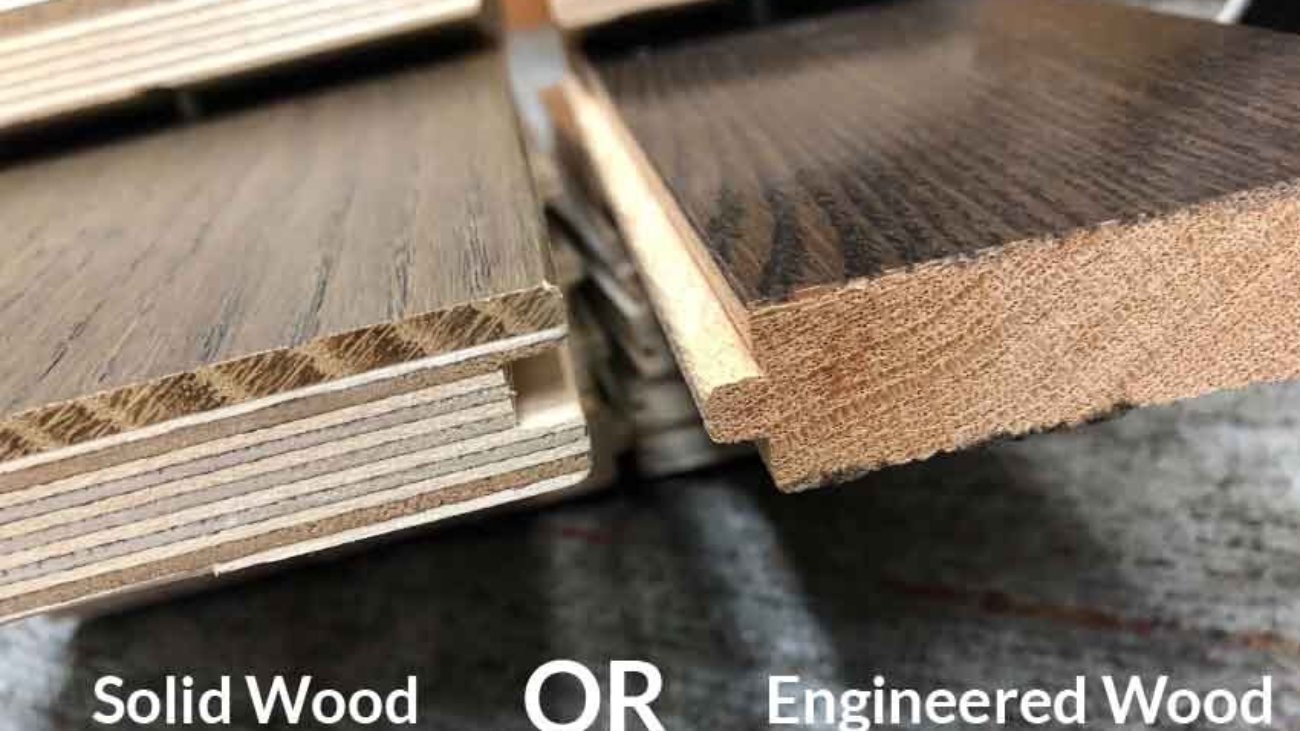
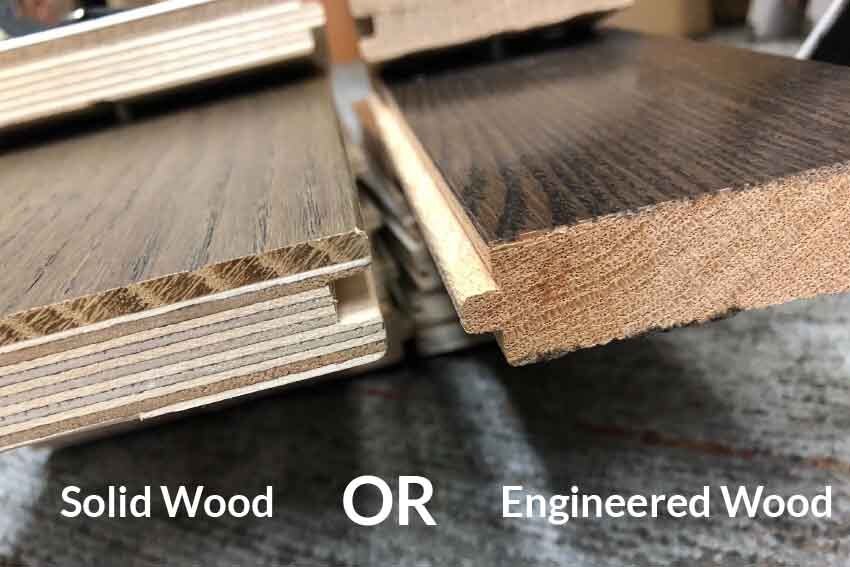
Both are 100% real wood on the surface — the difference is underneath. Solid hardwood is one piece of wood top to bottom; engineered hardwood is a real-wood veneer over a plywood core. Choose solid for maximum lifespan and refinishing potential on main and upper floors. Choose engineered for basements, concrete slabs, and Kansas City’s humidity swings — and to save $1–$3 per square foot.

After 12+ years installing both across Lenexa, Overland Park, and Johnson County, here’s how we help homeowners decide at Star Flooring LLC.

Engineered vs Solid Hardwood at a Glance

FactorSolid HardwoodEngineered Hardwood
ConstructionSingle piece of wood (¾” typical)Real wood veneer (2–6 mm) over plywood core
Cost installed (KC metro)$7 – $12+ / sq ft$6 – $9 / sq ft
Lifespan50 – 100 years20 – 40 years
Refinishing4 – 6 times1 – 2 times (3 mm+ veneer); thin veneers: never
Humidity responseExpands/contracts; can gap or cupFar more stable
Below grade (basements)NoYes
Over concrete slabDifficult (needs sleepers/plywood)Yes — glue or float
Over radiant heatUsually noOften yes
Install methodsNail-downNail, glue, or float
Resale perceptionPremiumEqual to solid in most listings (“hardwood floors”)


What’s the Actual Difference in Construction?

A solid oak plank is exactly that — milled from one board. It’s why a 100-year-old home in Brookside can have its original floors sanded back to new.

Engineered hardwood bonds a slice of real oak, maple, or hickory to cross-laid plywood layers. The cross-grain construction is the point: wood expands across the grain, and the alternating layers cancel most of that movement out. Once installed, the two are visually identical — same species, same stains, same finishes. Nobody can tell from standing height.

We install both — see species, widths, and finish options on our hardwood flooring installation page.

Why Does This Matter So Much in Kansas City?

Kansas City swings from muggy 90° summers to furnace-dry winters. Solid hardwood responds: boards swell in July and shrink in January, which is why we acclimate planks on-site and test moisture before every install. Managed properly, solid hardwood performs beautifully here on main and upper levels — thousands of Johnson County homes prove it.

But two situations tilt the field hard toward engineered:

  1. Concrete slabs and basements. Solid hardwood can’t be nailed to concrete and shouldn’t live below grade. Engineered can be glued or floated right over a slab with a moisture barrier.
  2. Inconsistent climate control. Rentals, vacation schedules, finished basements with humidity spikes — engineered’s stability forgives what solid won’t. For maintenance specifics, see our hardwood maintenance guide for Kansas weather.

What Do They Cost in Kansas City in 2026?

FactorSolid HardwoodEngineered Hardwood
Materials$3 – $8 / sq ft$3 – $7 / sq ft
Installation$3 – $5 / sq ft$2.50 – $4 / sq ft
Total installed$7 – $12+ / sq ft$6 – $9 / sq ft
1,000 sq ft project$7,000 – $12,000+$6,000 – $9,000


Premium engineered lines with thick veneers can cost as much as solid — you’re paying for stability, not less wood quality. Full pricing breakdown in our Kansas City hardwood flooring cost guide.

The Refinishing Question — Where Solid Wins Long-Term

Solid hardwood’s ¾” thickness allows 4–6 full sandings over its life. Buy it once at 35 and it outlives your mortgage, your kids’ childhoods, and probably you.

Engineered can be refinished only as many times as its veneer allows: a 3–4 mm veneer takes 1–2 careful sandings; budget lines with 1–2 mm veneers can’t be sanded at all — damage means replacement. If your engineered floor is scratched but the veneer is thick enough, our hardwood floor refinishing service can assess it before you assume the worst. Isolated damage on either type is often fixable through board-level floor repair rather than refinishing.

Which Should You Choose?

  • Forever home, main/upper floors: The refinishing headroom is unbeatable value over 30+ years.
  • Basement, slab foundation, or radiant heat: Engineered — it’s the only real-wood option.
  • Selling within 10 years: Listings say “hardwood floors” either way; keep the $1,000–$3,000 difference.
  • Pets and heavy traffic: Either, with a hard species (hickory, white oak) and quality finish — or consider the comparison in LVP vs Hardwood if scratches keep you up at night.
  • Wide planks (6″+): Wide solid planks gap noticeably in KC winters.

Not sure? Bring your floor plan to our Lenexa showroom or book a design consultation — we’ll match construction type to each room. Free estimates, always.

FAQ

Is engineered hardwood real wood?

Yes. The surface is a genuine hardwood veneer — same species and finishes as solid. Only the core (cross-laid plywood) differs, which is what makes it more stable.

Is engineered hardwood cheaper than solid?

Usually $1–$3 less per square foot installed in Kansas City ($6–$9 vs $7–$12+). Premium thick-veneer engineered can match solid pricing.

Can engineered hardwood be refinished?

Once or twice if the veneer is 3 mm or thicker. Veneers under 2 mm cannot be sanded — deep damage means board replacement.

Which is better for a basement, engineered or solid hardwood?

Engineered, always. Solid hardwood should never be installed below grade; engineered handles concrete slabs and basement humidity with proper moisture barriers.

Does engineered hardwood add the same resale value as solid?

In practice, yes — both list as “hardwood floors,” and buyers rarely distinguish. Solid’s edge shows decades later through refinishing potential, not at the closing table.

LVP-vs.-Laminate-Flooring-Feature-Comparison-

LVP vs Laminate: Which Is Better for Your Home?

The short answer: choose luxury vinyl plank (LVP) if moisture is any concern — kitchens, bathrooms, basements, homes with pets. Choose laminate if you want the most realistic wood look and feel for the lowest price in dry areas like bedrooms and living rooms. LVP is 100% waterproof; standard laminate is not. In Kansas City’s humid summers and wet springs, that single difference settles the debate for most rooms below grade.

We install both every week across Lenexa, Overland Park, and the KC metro at Star Flooring LLC. Here’s the honest comparison we give customers in our showroom.

LVP vs Laminate at a Glance

FactorLuxury Vinyl Plank (LVP)Laminate
Water resistance100% waterproofWater-resistant at best; swells if soaked
Cost installed (KC metro)$4 – $7 / sq ft$3 – $6 / sq ft
Feel underfootSofter, quieter, warmerHarder, more “clicky” without good underlayment
RealismVery good; best at mid–high price pointsExcellent embossed wood texture
DurabilityScratch-resistant wear layer (12–22 mil)Very hard AC-rated surface, resists dents
Lifespan10 – 20 years15 – 25 years
Pets & kidsExcellentGood (accidents must be wiped fast)
BasementsYesNot recommended
RepairabilitySingle planks replaceableSingle planks replaceable
Resale impactNeutral–positiveNeutral

What’s the Real Difference Between LVP and Laminate?

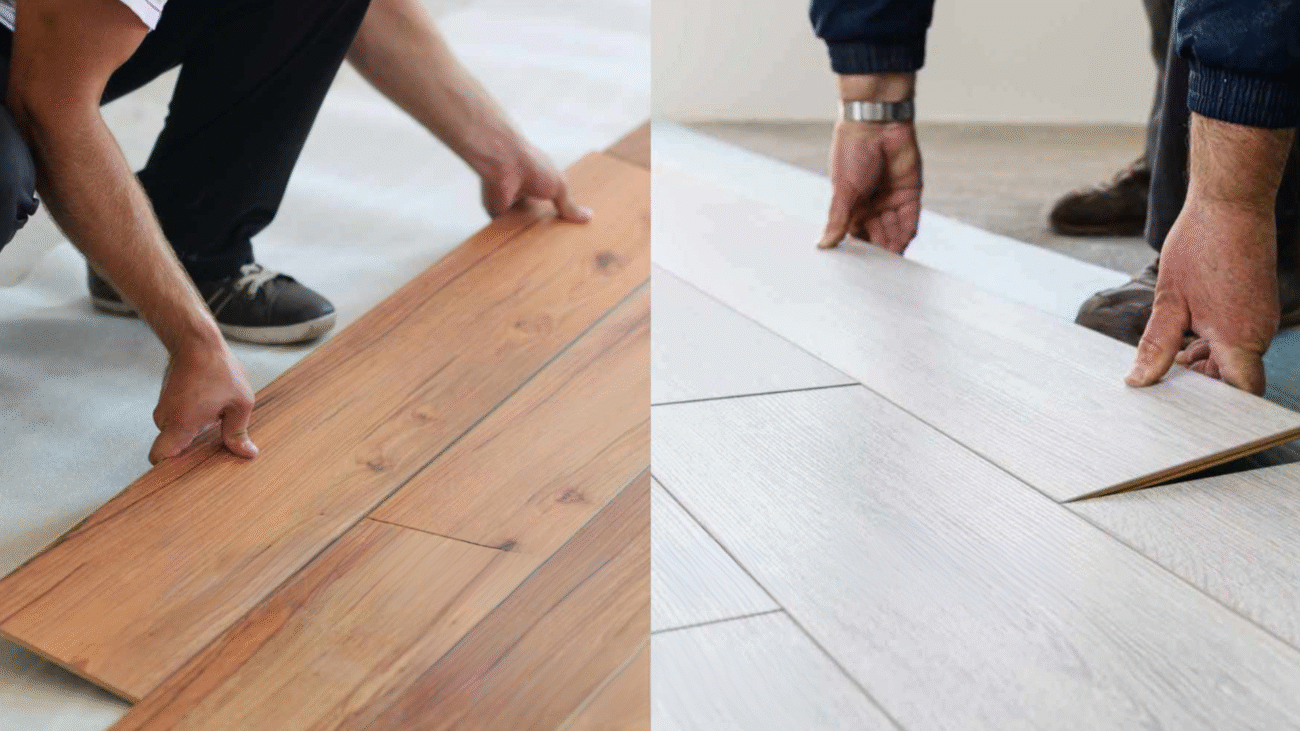
Both are floating click-lock floors that mimic hardwood. The difference is what they’re made of.

LVP is plastic through and through — a vinyl core (often stone-polymer “SPC” or wood-polymer “WPC”) with a printed layer and clear wear layer. Water can sit on it for days without damage.

Laminate is mostly wood — a high-density fiberboard (HDF) core with a photographic layer and a hard melamine top coat. That wood core is why laminate feels more solid underfoot, and why it swells when water gets into the seams.

When Is LVP the Better Choice?

  • Kitchens, bathrooms, laundry rooms, basements. Waterproof means a dishwasher leak is a mop-up, not a replacement.
  • Homes with dogs. Between the waterproof core and thick wear layers, LVP is the floor we recommend most for pet owners — see our full guide to the best flooring for homes with pets and kids.
  • Kansas City basements specifically. Concrete slabs wick moisture; an LVP with attached pad handles it. Laminate over concrete is a swelling claim waiting to happen.
  • Quieter rooms. LVP absorbs sound better, useful in second-story bedrooms and condos.

Browse styles and wear-layer options on our luxury vinyl plank flooring service page.

When Is Laminate the Better Choice?

  • Maximum realism per dollar. Mid-range laminate often looks and feels more like real wood than mid-range LVP, thanks to deeper embossing.
  • Dry, high-traffic spaces. Living rooms, hallways, bedrooms — the hard melamine surface shrugs off chair legs and toy traffic better than entry-level vinyl.
  • Tighter budgets. Quality laminate starts around $3/sq ft installed in the KC market.
  • Heavy furniture. Laminate’s dense core resists denting under pianos and packed bookcases better than soft-core vinyl.

Our laminate flooring installation team carries water-resistant laminate lines that narrow the gap with LVP — worth seeing in person if you love the laminate feel but worry about spills.

How Does Kansas City’s Climate Change the Answer?

Humid 95° summers and dry 10° winters make floors expand and contract. Both products handle this better than solid hardwood, but there’s a nuance: HDF-core laminate responds to *humidity* (not just liquid water), while SPC-core LVP is nearly immune to both. If your home doesn’t run consistent climate control year-round — or the floor is going in a basement or rental — LVP is the lower-risk choice in our climate. We cover this in depth in how to choose flooring for humid Midwest weather.

What Do They Cost in Kansas City?

FactorLVPLaminate
Materials$2 – $5 / sq ft$1.50 – $4 / sq ft
Installation$1.50 – $2.50 / sq ft$1.50 – $2 / sq ft
Total installed$4 – $7 / sq ft$3 – $6 / sq ft
500 sq ft project$2,000 – $3,500$1,500 – $3,000


Both need a flat subfloor; both go down fast (most rooms in a day). If existing floors are damaged, factor in repair or tear-out — our floor repair services can tell you whether the subfloor underneath is install-ready.

Our Verdict, Room by Room

  • Kitchen / bathroom / laundry: LVP, no contest.
  • Basement:
  • Living room / hallway: Either — laminate if you prioritize feel, LVP if pets rule the house.
  • Bedrooms: Laminate for warmth of feel and price; LVP if upstairs noise matters.
  • Whole-house single product: LVP — one waterproof floor everywhere beats managing two materials.

Still comparing against real wood? Read LVP vs Hardwood next.

FAQ

Is LVP better than laminate?

For moisture-prone rooms, yes — LVP is fully waterproof while laminate’s wood core swells when wet. For dry rooms, laminate offers a harder, often more realistic surface for less money. Neither is “better” everywhere; the room decides.

Which lasts longer, LVP or laminate?

Quality laminate typically lasts 15–25 years versus 10–20 for LVP, in dry conditions. In kitchens, baths, and basements, LVP outlasts laminate because water — not wear — is what kills laminate floors.

Which is better for dogs, LVP or laminate?

LVP. Accidents and water-bowl spills can’t penetrate it, and 20-mil wear layers resist claw scratches. Laminate works only if spills are wiped quickly.

Can you put laminate in a basement in Kansas City?

We don’t recommend it. Concrete slabs in KC basements carry moisture that HDF cores absorb over time. Use SPC-core LVP with a vapor-appropriate underlayment instead.

Does LVP or laminate add more home value?

Roughly equal — both read as “updated” to buyers but neither carries hardwood’s resale premium. Condition and consistent flooring throughout matter more than which of the two you pick.

flooring

How Much Does Hardwood Flooring Cost in Kansas City? (2026 Price Guide)

Hardwood flooring in the Kansas City metro costs $6 to $12 per square foot installed in 2026 — materials and labor included. For a typical 1,000 sq ft project, that’s $6,000 to $12,000. Engineered hardwood sits at the lower end ($6–$9/sq ft), while wide-plank solid oak, hickory, or walnut installations run $9–$12+. Your final price depends on wood species, subfloor condition, and whether old flooring needs to be removed.

At Star Flooring LLC, we’ve installed hardwood in hundreds of homes across Lenexa, Overland Park, Olathe, and the wider KC metro over the past 12+ years. This guide breaks down exactly what you’ll pay in 2026 — and where homeowners overspend without realizing it.

Hardwood Flooring Cost Per Square Foot in Kansas City (2026)

Wood TypeMaterials OnlyInstalled (Materials + Labor)
Red or White Oak$3 – $6$7 – $10
Maple$4 – $7$8 – $11
Hickory$4 – $7$8 – $11
Walnut$6 – $10$10 – $14
Engineered Hardwood$3 – $7$6 – $9

Labor alone in the KC metro typically runs $3 – $5 per square foot for a standard nail-down installation. Glue-down and intricate patterns (herringbone, chevron) add $1 – $3/sq ft.

What Will Hardwood Cost for Your Room Size?

Project SizeTypical Total (Installed)
Single room (200 sq ft)$1,400 – $2,400
Living room + hallway (500 sq ft)$3,500 – $6,000
Main floor (1,000 sq ft)$6,000 – $12,000
Whole home (2,000 sq ft)$12,000 – $24,000

These ranges reflect real quotes in Johnson County and the Missouri side of the metro. Older homes in Prairie Village, Merriam, and Waldo often land higher because subfloor leveling is more common — more on that below.

What Drives Hardwood Flooring Prices Up or Down?

1. Wood species and plank width

Oak is the workhorse of Kansas City homes — durable, widely available, and the most affordable solid option. Walnut and wide planks (5″+ wide) can add 30–50% to material costs. We walk through species choices in our hardwood flooring installation service and can show samples at our Lenexa showroom.

2. Solid vs engineered construction

Engineered hardwood costs less installed and handles Kansas City’s humidity swings better — a real consideration for basements and homes without consistent climate control. If you’re weighing the two, the construction difference matters more than the price difference for most KC homes.

3. Subfloor condition

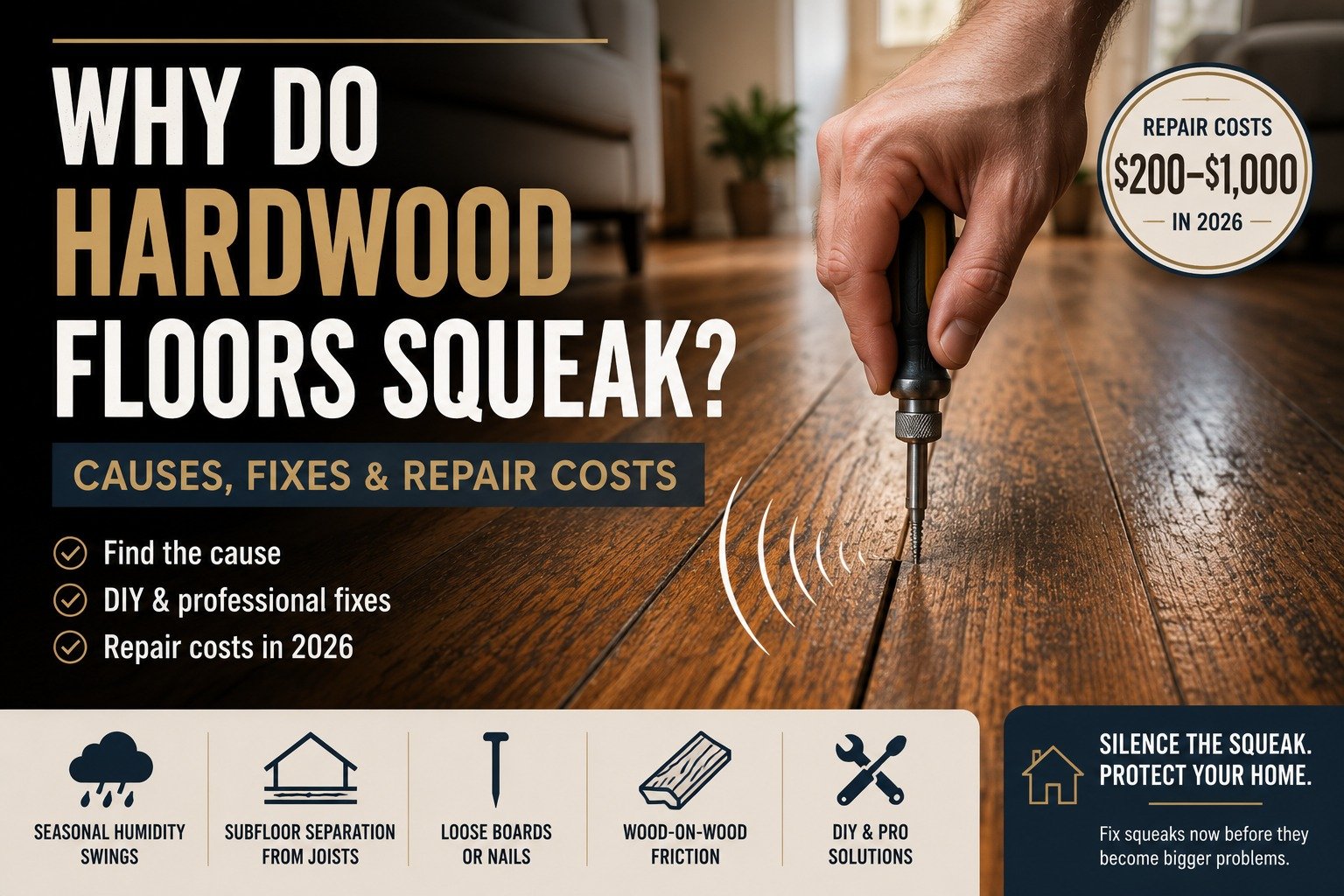
This is the most common surprise on a quote. Squeaks, dips, or moisture damage must be fixed before planks go down. Minor prep adds $0.50–$1.50/sq ft; significant repairs more. If your floor already has soft spots or water stains, a floor repair assessment before installation will give you a realistic budget.

4. Tear-out and disposal

Removing old carpet, tile, or glued-down flooring runs $1 – $2 per square foot in the KC market, including haul-away.

5. Stairs and transitions

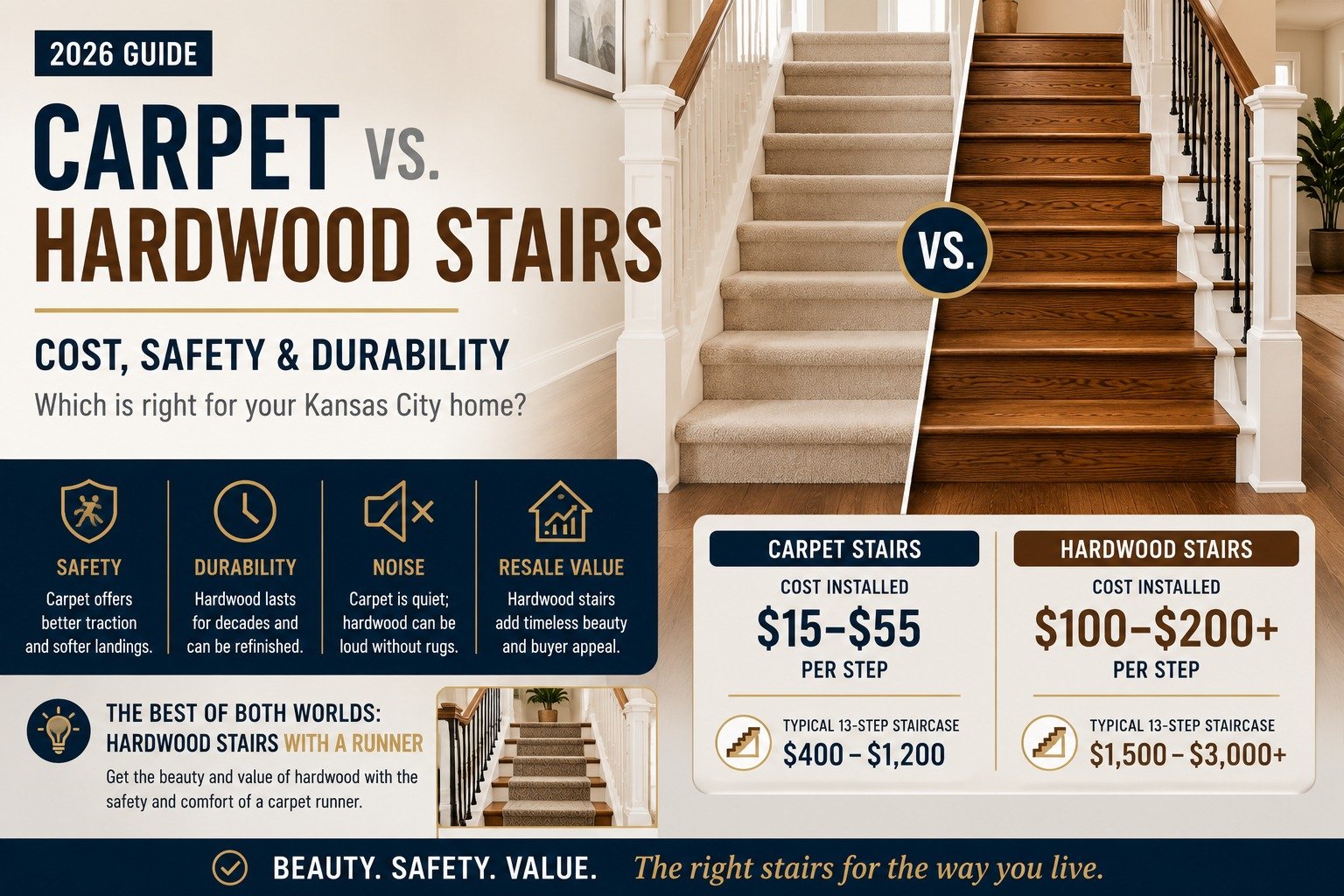
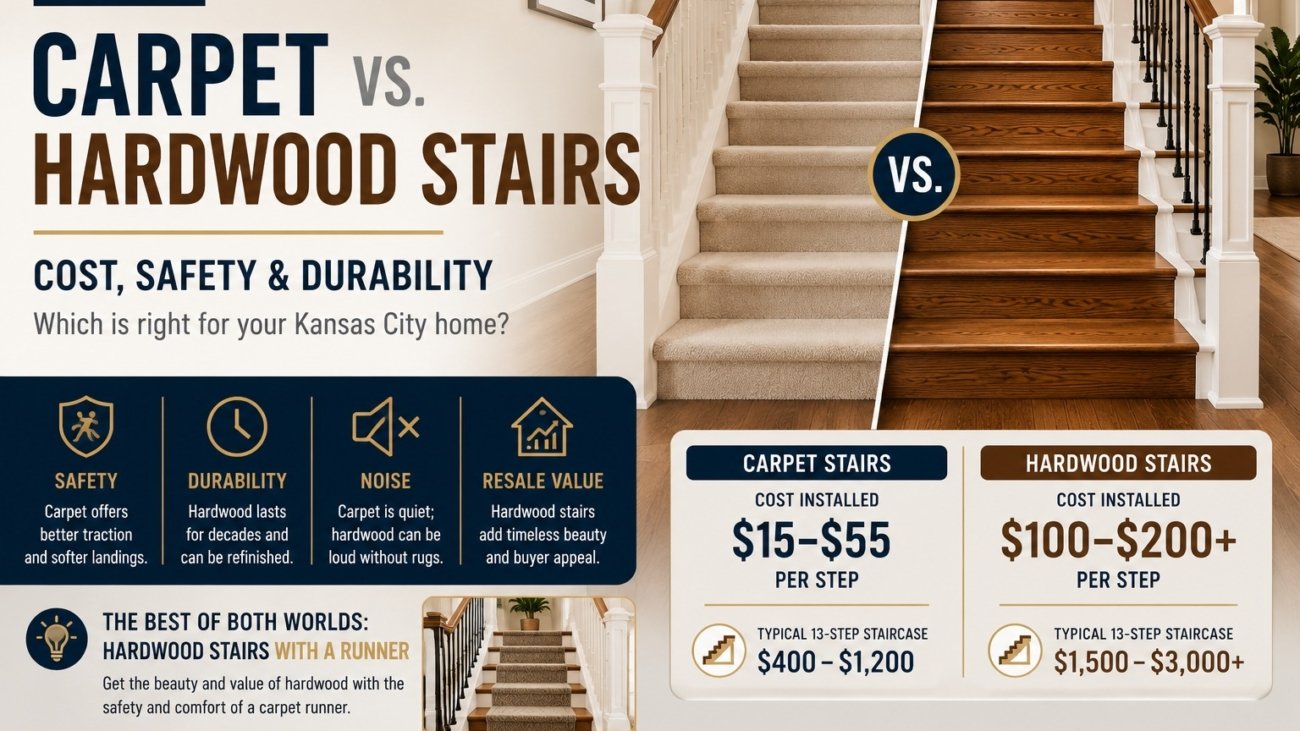
Stairs are priced per tread — typically $40 – $75 per step for hardwood, more for open-sided staircases. Many of our Lenexa and Overland Park projects pair main-floor hardwood with carpeted or hardwood stairs.

Is Refinishing Cheaper Than Replacing?

Yes — significantly. If your existing hardwood is structurally sound, hardwood floor refinishing costs $3 – $5 per square foot in Kansas City, roughly a third of new installation. Solid hardwood can be refinished 4–6 times over its life. Replacement only makes sense when boards are cupped, water-damaged, or you want a different species or plank width.

Does Hardwood Pay for Itself in Kansas City?

Largely, yes. Hardwood consistently ranks among the highest-ROI flooring upgrades in the KC metro — local agents report homes with hardwood sell faster and command stronger offers, especially in Johnson County. The National Association of Realtors’ remodeling impact data regularly shows hardwood install and refinish projects recovering most or all of their cost at resale. [EXTERNAL LINK: NAR Remodeling Impact Report]

If resale is your main driver, see our guide to how flooring increases home resale value.

How to Get an Accurate Quote (Not an Estimate Range)

Online calculators can’t see your subfloor. A firm quote requires measuring the space, checking moisture levels, and inspecting what’s under your current flooring. Star Flooring LLC provides free in-home estimates across the Kansas City metro — request yours here or call +1 (816) 934-1016.

FAQ

How much does it cost to install 1,000 square feet of hardwood floors in Kansas City?

Between $6,000 and $12,000 installed in 2026, depending on wood species, construction type, and subfloor prep. Engineered oak lands near the bottom of that range; wide-plank solid walnut near the top.

Is it cheaper to refinish or replace hardwood floors?

Refinishing costs $3–$5/sq ft versus $6–$12/sq ft for replacement. If your floors are structurally sound, refinishing saves 50–70%.

How much does labor cost for hardwood installation in Kansas City?

$3–$5 per square foot for standard nail-down installation. Glue-down, patterns, and stairs cost more.

Does Kansas City’s climate affect hardwood flooring cost?

Indirectly. Humidity swings make acclimation and moisture testing essential — skipping them causes gapping and cupping that lead to repair costs later. Engineered hardwood is often the smarter buy for lower levels. See our guide to choosing flooring for humid Midwest weather.

Is hardwood worth the cost compared to LVP?

Hardwood costs more upfront but adds more resale value and can be refinished for decades. LVP wins on waterproofing and budget. We compare both in LVP vs Hardwood.

v_plank_1024x1024

Best Flooring Options for Homes with Pets and Kids in Lenexa, KS

Choosing the right flooring for your home is always important — but when you have pets and kids, it becomes even more critical. From muddy paws and accidental spills to scratches and heavy foot traffic, your floors go through a lot every day.

If you live in Lenexa, KS or nearby areas like Overland Park, Olathe, or Shawnee, you also have to consider Midwest weather conditions that can affect your flooring over time.

At Star Flooring LLC, we help homeowners find flooring solutions that are not only stylish but also durable, scratch-resistant, and easy to maintain. In this guide, we’ll break down the best flooring options for busy households with pets and children.

What to Look for in Pet- and Kid-Friendly Flooring

Before choosing a flooring type, it’s important to understand what features matter most in an active home:

Key Features to Consider:

  • Scratch resistance
  • Water resistance
  • Durability
  • Easy maintenance
  • Comfort and safety
💡 If you’re unsure what works best for your home, consider a custom flooring design consultation to get expert guidance tailored to your lifestyle.

1. Luxury Vinyl Plank (LVP) — The #1 Choice for Families

If you’re looking for the perfect combination of durability, style, and affordability, Luxury Vinyl Plank (LVP) flooring is the top choice for many Lenexa homeowners.

Why LVP Is Ideal for Pets and Kids:

  • 100% waterproof
  • Scratch-resistant
  • Comfortable underfoot
  • Easy to maintain
If your floors are already showing signs of wear, consider LVP floor repair to restore their look without full replacement.

2. Tile Flooring — Durable and Easy to Clean

Tile is another excellent option, especially for high-moisture areas like kitchens and entryways. 💡 Tip: Use rugs in play areas to improve comfort.

3. Laminate Flooring — Budget-Friendly and Tough

Modern laminate flooring offers a great balance between durability and cost. Working with laminate flooring experts ensures you choose the right materials. If damage occurs over time, you can rely on laminate floor repair to extend the life of your floors.

4. Engineered Hardwood — A More Stable Wood Option

For a natural look, hardwood flooring installation using engineered wood is a great choice. If your existing floors look worn, hardwood floor refinishing can restore their original beauty.

5. Carpet — Soft Comfort for Bedrooms

Carpet works well in bedrooms and play areas. For stairs and multi-level homes, consider stair building and carpeting services for added safety and design.

Why Professional Installation Matters

Even the best flooring can fail without proper installation. If your current floors are damaged, explore floor repair services to restore them efficiently.

Final Thoughts

Living with pets and kids doesn’t mean compromising on style. With the right flooring, you can enjoy a home that’s both beautiful and practical. At Star Flooring LLC, we help homeowners in Lenexa and nearby areas choose flooring that fits their lifestyle and lasts for years.
Carpet-vs-Hardwood-before

The Benefits of Hiring a Local Flooring Company in Lenexa

When it comes to upgrading or repairing your floors, you might be tempted to call a national chain or a big-box retailer. But if you live in Lenexa, KS or nearby areas like Overland Park, Olathe, or Shawnee, working with a local flooring company can make all the difference.

At Star Flooring LLC, we believe that choosing local means getting personalized service, faster response times, and results tailored to Kansas homes and weather. Here’s why trusting a local flooring expert is one of the smartest decisions homeowners can make.

1. Personalized Service You Won’t Get from Big Chains

Large flooring retailers often focus on volume — quick sales, minimal consultation, and standardized installation.
A local company, on the other hand, takes the time to understand your home, style, and needs.

Why It Matters

  • You work directly with local experts who care about your satisfaction.

  • Your project isn’t just another number in a national database.

  • Local installers visit your home to assess subflooring, lighting, and humidity before recommending materials.

2. Knowledge of Local Climate and Home Styles

Kansas weather can be unpredictable — humid summers, dry winters, and everything in between. Local flooring professionals understand how these conditions affect materials like hardwood, laminate, and vinyl.

Local Experience Helps With:

  • Selecting moisture-resistant flooring that performs well year-round.

  • Preventing common issues such as wood shrinkage or warping.

  • Advising on seasonal maintenance to extend your floor’s lifespan.

3. Supporting the Local Economy

Hiring a local flooring company keeps your money in the community. Local businesses reinvest in Lenexa — through jobs, community sponsorships, and partnerships with other small suppliers.

By choosing local, you:

  • Strengthen small businesses in your area.

  • Help create local jobs and apprenticeships.

  • Contribute to the long-term growth of Lenexa’s economy.

4. Faster Response Times and Ongoing Support

Need quick repairs or a follow-up inspection? Local companies are nearby — which means you get faster service and long-term support.

Advantages:

  • Immediate response to installation concerns.

  • Easier warranty follow-ups or touch-ups.

  • Continued care after installation — no endless call centers or delays.

5. High-Quality Workmanship and Local Reputation

Local flooring companies rely heavily on their reputation. Every review, referral, and finished project shapes how they’re viewed in the community. That’s why they go above and beyond to deliver excellent craftsmanship.

You Benefit From:

  • Skilled installers who take pride in their work.

  • High attention to detail during cutting, fitting, and sealing.

  • A strong commitment to exceeding expectations — every time.

6. Tailored Product Recommendations

Every home is different. Local experts will recommend flooring based on your lifestyle, not on nationwide inventory sales.

For Example:

  • Have pets or kids? Try durable Luxury Vinyl Plank (LVP) flooring.

  • Prefer a warm, natural look? Go for engineered hardwood suited for Kansas humidity.

  • Need budget-friendly style? Laminate flooring offers great value and easy maintenance.

Because we source products locally and through trusted vendors, we can match your design goals and budget without long wait times.

7. Accountability and Long-Term Relationships

When you hire a local company, you’re working with people who live and work in your community — neighbors who truly care about your satisfaction.
That means more accountability and peace of mind.

With Star Flooring LLC, You Get:

  • Transparent estimates — no hidden costs or upsells.

  • Licensed and insured installers.

  • A local team that stands behind every project, from consultation to completion.

We aim to build lasting relationships with Kansas homeowners — not one-time transactions.

Final Thoughts

Choosing a local flooring company in Lenexa is about more than convenience — it’s about quality, trust, and community. You’ll get tailored recommendations, hands-on expertise, and the assurance that your floors are installed by professionals who understand local homes and weather.

0Washe

How to Choose the Right Flooring for Humid Midwest Weather

Living in the Midwest means dealing with both hot, humid summers and cold, dry winters — a combination that can wreak havoc on the wrong type of flooring. If you live in Lenexa, Overland Park, or anywhere in the Kansas City area, choosing flooring that stands up to these changing conditions is key to keeping your home beautiful and comfortable year-round.

At Star Flooring LLC, we help homeowners select floors that not only look great but also perform well in Kansas’ unpredictable climate. Here’s how to make the right choice for your home.

Why Midwest Humidity Matters When Choosing Flooring

Midwestern weather swings dramatically between the seasons.

  • Summer: High humidity causes some flooring materials to swell or warp.

  • Winter: Dry air makes wood contract and may create gaps.

  • Spring/Fall: Rapid temperature and moisture changes stress flooring seams.

Without moisture-resistant materials and proper installation, these fluctuations can lead to buckling, cupping, or cracked finishes. The key is to choose flooring that can expand and contract naturally without losing its shape or style.

1. Engineered Hardwood — Classic Look with Better Stability

If you love the warmth of hardwood but worry about humidity, engineered hardwood is a perfect compromise. Unlike solid wood, engineered floors are made of layered plywood and hardwood veneers, giving them enhanced dimensional stability.

Why It Works Well in the Midwest:

  • Layers resist warping from humidity changes.

  • Compatible with most subfloors, including basements.

  • Available in many wood species and finishes.

💡 Pro Tip: Maintain indoor humidity between 35–55% year-round to prevent minor expansion or contraction.

2. Luxury Vinyl Plank (LVP) — Durable and Waterproof

LVP flooring has become one of the most popular options in Kansas homes — and for good reason. It mimics the natural beauty of hardwood but offers far superior moisture resistance.

Benefits for Humid Climates:

  • 100% waterproof core resists swelling or warping.

  • Stable in both humid summers and dry winters.

  • Softer and warmer underfoot compared to tile.

  • Easy to clean and maintain.

At Star Flooring LLC, our team installs LVP floors that withstand daily wear, moisture, and temperature shifts — making them ideal for kitchens, basements, and living rooms in the Midwest.

3. Laminate Flooring — Affordable, Stylish, and Moisture-Resistant

Modern laminate flooring has evolved dramatically. Many high-quality laminates now feature water-resistant or waterproof technology, offering durability without the cost of hardwood.

Why It’s a Smart Midwest Choice:

  • Resists scratches and fading.

  • Water-resistant top layer protects against spills.

  • Budget-friendly and available in countless designs.

Pro Tip: Always choose laminate with sealed edges and moisture-resistant backing for Kansas humidity.

4. Tile Flooring — Perfect for Humid or Wet Areas

Tile remains the gold standard for bathrooms, kitchens, and entryways where humidity or moisture are constant factors.

Advantages:

  • Completely moisture-proof.

  • Temperature-resistant and ideal for radiant heating.

  • Easy to clean and hypoallergenic.

💡 Local Tip: Porcelain tiles are denser than ceramic and handle freezing temperatures better — perfect for homes across the Midwest.

5. Carpet Flooring — Warm Comfort, but with Care

Carpet adds warmth and softness to Midwest homes, especially during cold winters. However, it does require regular maintenance in humid climates.

Tips for Success:

  • Use carpet with moisture-resistant padding.

  • Vacuum regularly to prevent mold and mildew buildup.

  • Consider carpet tiles for basements — easy to replace if moisture issues occur.

6. Consider Subfloor and Installation Techniques

Even the most durable flooring can fail without proper installation. In the Midwest, professionals use techniques like:

  • Vapor barriers under floating floors.

  • Moisture testing before installation.

  • Expansion gaps to accommodate seasonal movement.

Hiring experienced installers like Star Flooring LLC ensures your floors last for decades, regardless of Kansas humidity levels.

7. Climate-Smart Maintenance Tips

Once you’ve chosen the right flooring, proper maintenance keeps it performing well year-round:

  • Use dehumidifiers in summer and humidifiers in winter.

  • Avoid prolonged exposure to water or spills.

  • Keep floors clean to prevent trapped moisture.

  • Schedule professional inspections for hardwood or laminate.

Regular upkeep helps preserve both the look and longevity of your flooring investment.

Final Thoughts

Humidity is part of life in the Midwest — but with the right flooring materials and professional installation, your floors can stay beautiful through every season. Whether you prefer the timeless appeal of hardwood or the durability of vinyl or tile, Star Flooring LLC can help you find the perfect fit for your Kansas home.

119e9e5306477676fa25e9aa17e4d4a5

How to Maintain Hardwood Floors During Kansas Winters (Expert Tips for Homeowners)

Kansas winters bring a mix of freezing temperatures, dry indoor air, and sudden humidity shifts — all of which can take a toll on your hardwood floors. If you live in Lenexa, Overland Park, or anywhere in the Kansas City area, keeping your floors in top condition requires a little extra care during the colder months.

At Star Flooring LLC, we’ve seen how beautiful hardwood floors can lose their luster or even develop cracks during winter if not maintained properly. The good news? A few simple seasonal habits can help protect your investment and keep your hardwood floors looking their best year after year.

Why Kansas Winters Are Tough on Hardwood Floors

Unlike synthetic flooring materials, hardwood is a natural product that reacts to changes in temperature and humidity.
During Kansas winters:

  • Cold air dries out wood, causing it to shrink or separate at the seams.
  • Indoor heating systems make the air even drier, increasing the risk of cracks.
  • Snow, salt, and ice melt carried inside can leave behind residue that dulls your floor’s finish or damages the surface.

Without proper maintenance, these small issues can lead to long-term wear and tear. That’s why taking proactive steps each winter is essential.

1. Maintain Proper Indoor Humidity Levels

The biggest threat to hardwood floors in winter is dry air. When humidity levels drop below 35%, wood contracts, which can create small gaps between planks.
When humidity rises again in spring, the wood expands — potentially causing cupping or buckling.

Tips to keep humidity stable:

  • Use a humidifier to maintain an indoor humidity level between 35–55%.
  • Avoid drastic temperature swings — keep your thermostat consistent.
  • If you have a whole-home HVAC system, consider adding a humidistat to monitor moisture automatically.

💡 Pro Tip: Rooms with fireplaces or baseboard heaters tend to be drier. Place a small humidifier nearby to protect the surrounding floors.

2. Clean Regularly and Avoid Salt or Ice Melt Damage

During snowy Kansas winters, it’s common for salt, sand, and de-icing chemicals to be tracked into your home. These abrasive particles can scratch the surface of your hardwood and break down its protective coating over time.

Cleaning Tips:

  • Sweep or vacuum daily using a soft-bristle broom or hardwood-safe vacuum.
  • Use a slightly damp microfiber mop — never soak your floors with water.
  • Avoid harsh or vinegar-based cleaners that can strip away the finish.
  • Opt for a pH-balanced hardwood cleaner recommended by professionals.

At Star Flooring LLC, we often advise homeowners to use cleaners designed specifically for sealed wood floors — they clean effectively without dulling the shine or damaging the protective layer.

3. Use Floor Mats and Area Rugs at Entrances

One of the simplest ways to protect your hardwood floors during winter is by using high-quality floor mats near entryways. These help trap snow, water, and dirt before they reach your floors.

Best practices:

  • Place a durable doormat outside and a soft absorbent rug inside each entry.
  • Clean mats frequently so salt and moisture don’t build up.
  • Use breathable rug pads under rugs to prevent discoloration or trapped moisture.

🌟 Extra Tip: Encourage family members and guests to remove their shoes upon entering. Keeping a shoe rack near the door can make this easy and stylish.

4. Protect from Direct Heat and Sunlight

Even in winter, sunlight can fade hardwood floors — especially lighter species like oak or maple. Meanwhile, direct heat from vents or radiators can cause certain areas of the floor to dry faster than others.

Prevention tips:

  • Adjust floor vents so they don’t blow directly onto wood planks.
  • Use curtains or blinds during bright winter days to limit UV exposure.
  • Rearrange furniture occasionally to prevent uneven fading.

These small adjustments can help maintain even color and prevent long-term damage to the finish.

5. Schedule a Professional Floor Inspection or Refinishing

If your floors are starting to look dull, scratched, or uneven, winter is a great time to consider professional hardwood floor refinishing. Refinishing restores the protective topcoat and enhances the wood’s natural beauty, keeping it more resilient to dry air and moisture.

What a professional inspection includes:

  • Checking for gaps, cracks, and moisture damage
  • Evaluating the current finish condition
  • Recommending refinishing or touch-up solutions

🪵 Pro Tip: Refinishing every few years not only improves appearance but also adds a new protective layer, helping your floors last decades longer.

6. Be Mindful of Spills and Standing Water

Winter often brings snow, rain, and muddy boots. Even a small puddle left too long can seep into your hardwood and cause warping or staining.

Quick actions to prevent moisture damage:

  • Wipe up spills immediately with a dry cloth.
  • Keep pets’ paws dry before they come inside.
  • Use a small waterproof mat under pet bowls or near doorways.

Water is wood’s worst enemy, so staying vigilant during the wetter months will save you costly repairs later.

Final Thoughts

With just a bit of attention and care, you can protect your hardwood floors from the harsh effects of Kansas winters. By maintaining proper humidity, cleaning carefully, and investing in professional maintenance when needed, your floors will stay warm, beautiful, and inviting through every season.

At Star Flooring LLC, we’re proud to help homeowners across Lenexa, Overland Park, and the Kansas City metro area care for and restore their hardwood floors. Whether you need refinishing, repairs, or new installation, our experienced team is here to make your floors shine again.

Worker applying cement to a floor during installation, showcasing flooring techniques relevant to Star Flooring LLC's services.

How Much Does Flooring Installation Cost in Lenexa?

Table of Contents

Luxury Vinyl Plank vs. Hardwood Flooring: Cost per Square Foot

Investment in flooring varies by material, square footage, subfloor condition, and project complexity. Star Flooring’s transparent pricing factors labor expertise, material grade, and site preparation—delivering precise quotes tailored to each Lenexa property.

What Are Typical Hardwood Flooring Installation Costs?

Hardwood projects involving repairs or subfloor leveling may incur additional fees, but refinishing existing floors often reduces costs.

How Does LVP Installation Pricing Compare?

Luxury Vinyl Plank typically ranges as follows:

  • Material Cost: $2 – $5 per sq ft
  • Labor Cost: $2 – $4 per sq ft
  • Underlayment & Prep: $1 per sq ft

Total LVP installation averages $5 – $10 per sq ft, offering a budget-friendly alternative to wood without sacrificing durability.

What Factors Influence Tile and Carpet Installation Prices?

Tile installation costs depend on tile size, substrate preparation, and grout selection. Ceramic tile may start at $7 per sq ft, while natural stone can exceed $15. Carpet pricing varies by fiber type and pad quality, ranging from $3 to $7 per sq ft installed. Irregular layouts, threshold transitions, and removal of old materials can increase labor complexity.

Are There Financing or Special Offers Available at Star Flooring?

Star Flooring partners with local finance programs to provide flexible payment plans and seasonal promotions. Clients can opt for no-interest financing or seasonal discounts on select materials. Booking a free estimate unlocks current offers, enabling Lenexa homeowners to secure premium flooring with manageable monthly payments.